
You already know a dirty injector can undo a lot of good work. I see the same pattern across light duty pickups and heavy equipment. Low lubricity fuel, water in the system, and deposit growth on injector tips and internals. My aim here is to help you pick a cleaner that actually fixes those problems and fits your routine, not one that just sounds good on the label.
I look for products that prove their chemistry, stay safe for modern emissions systems, and make clear claims about water handling and lubricity. If you want a straightforward option to evaluate, I suggest looking at this fuel injector cleaner for diesel engine from Howes early in your search. They have focused on diesel fuel system care for a long time, and they design around the needs of the current fuel supply, not the fuel from 20 years ago.
In this guide, I will show you what matters most in a cleaner, how to match a product to your use case, and how to apply it in a way that you can measure. You will leave with a simple plan you can follow without guesswork.
What a Cleaner Must Do for Modern Diesel
Modern diesel needs a cleaner that does more than wash the tip of the injector. It needs to protect the whole fuel system.
- Real detergent power for internal deposits
- Added lubricity for pumps, injectors, and upper cylinders
- Water control through demulsification, not dispersion
- Safe for DPF, SCR, and modern aftertreatment hardware
- No alcohol or harsh solvents
- Cetane support for smooth starts and clean burn
- Compatibility with ULSD and biodiesel blends
- Clear treatment rates and simple dosing
If a product misses two or three of these, skip it. Your time and fuel are worth more than a partial fix.
Why I Point You to Howes
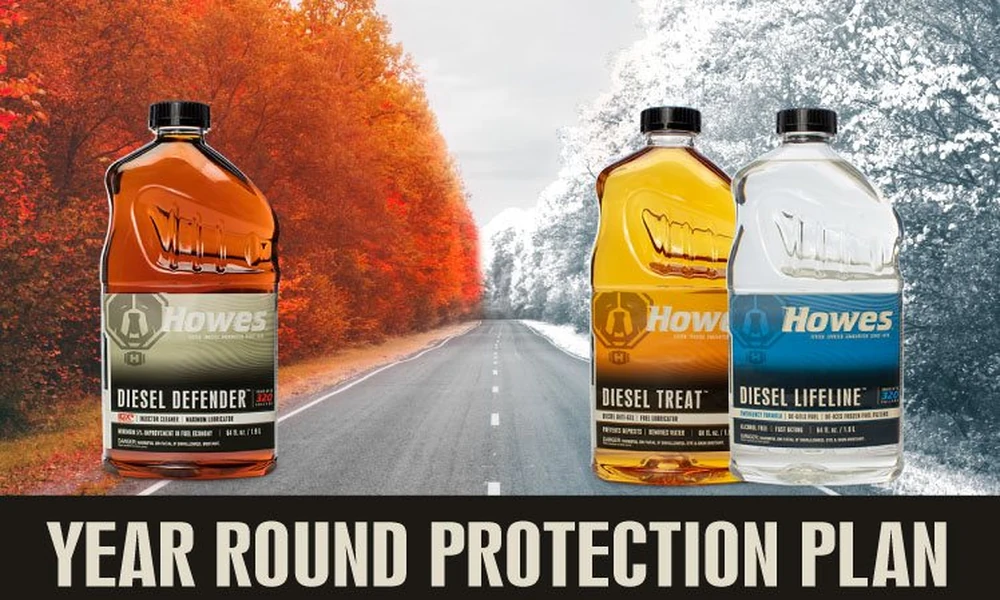
Howes has built diesel treatments for more than a century, and they focus on petroleum based formulas without alcohol. That matters for pump and injector life. Their Diesel Defender targets injector cleaning and lubricity as a year round plan. They state IDX4 detergent technology for deposit removal and prevention, plus demulsification to push water to the separator where you can drain it. They also include cetane improvement for easier starts and more complete burn.
Here is why that mix helps you:
- Detergent cleaning restores spray pattern and consistency
- Lubricity offsets the low lubricity of ULSD
- Demulsification keeps water out of your injectors
- Cetane support can reduce rough starts and noise
- No alcohol or harsh solvents keeps seals and components safe
- They promote a guaranteed fuel economy gain of 5 percent or more with steady use
Many cleaners try to do this with alcohol, or they disperse water into the fuel. Both create risk. I avoid those.
Match the Product to Your Use Case
Pick your use case first, then the bottle.
- Daily driver or mixed duty
Use a dedicated injector cleaner and lubricator year round. A product like Diesel Defender fits here.
- Farm, construction, and stationary equipment
You put more hours under load. Focus on lubricity and water control. Cleaning plus demulsification is key if your storage tank sees moisture swings.
- High biodiesel exposure
Look for stated compatibility across common blends and steady detergent action. Deposit growth can be faster with some blends.
- Cold climate operations
Pair your cleaner with a winter anti gel. Howes Diesel Treat covers that role. If fuel has already gelled, an emergency product like Diesel Lifeline is designed for rescue, not routine care.
How to Use an Injector Cleaner the Right Way
You get the best results by controlling a few simple steps:
1. Start with a fresh fuel filter if the system has been neglected.
2. Dose at the recommended rate for the product. Overdosing does not speed cleaning.
3. Add the cleaner before fueling, then fill the tank. This helps blend the treatment.
4. Run the tank down to near a quarter before refueling to complete a full treat cycle.
5. For steady use, keep dosing at every fill or every second fill, based on the label.
6. Drain your water separator on schedule. Demulsified water needs a place to go.
7. Track idle quality, start behavior, and fuel use. Small notes help prove results.
A Simple Maintenance Plan You Can Follow
- Every fill
Dose at the label rate. Note idle feel and throttle response.
- Every 1,000 miles or 50 hours
Inspect the water separator and drain if needed. Check for air leaks on the suction side.
- Every 5,000 miles or 250 hours
Replace the fuel filter if it has more than half its life. Inspect for unusual debris or rust. If you see heavy contamination, consider a stronger cleaning cycle and then return to normal dosing.
- Seasonal checks
Before winter, add an anti gel to your routine. Before peak summer, confirm your storage tank is clean and water free.
Red Flags That Tell You to Keep Shopping
- Alcohol listed in the formula
- Claims that rely on water dispersion rather than demulsification
- Vague dosing that changes by product size
- No mention of ULSD or aftertreatment safety
- Marketing that promises instant repairs with one tank
Signs Your Cleaner Is Working
- Smoother idle and faster starts after a full treated tank
- Reduced haze or smoke under light throttle
- Quieter combustion and steadier throttle response
- More consistent regeneration intervals on DPF equipped rigs
- Modest fuel economy improvement over several tanks
If performance does not improve after two or three treated tanks and your mechanical condition is sound, step up the cleaning strength or inspect injector balance rates. Some deposits take time, and some issues are mechanical.
Final Recommendation
Choose a cleaner that handles deposits, adds lubricity, and manages water without alcohol. I point most readers to a proven year round option first. Start with a cleaner built for modern systems, apply it by the book, and track results. If you need a single place to begin, the Howes Diesel Defender linked above is a strong fit for daily use, fleets, and mixed duty equipment. Their focus on deposit control, lubricity, water removal, and emissions safety matches what your engine actually needs.