
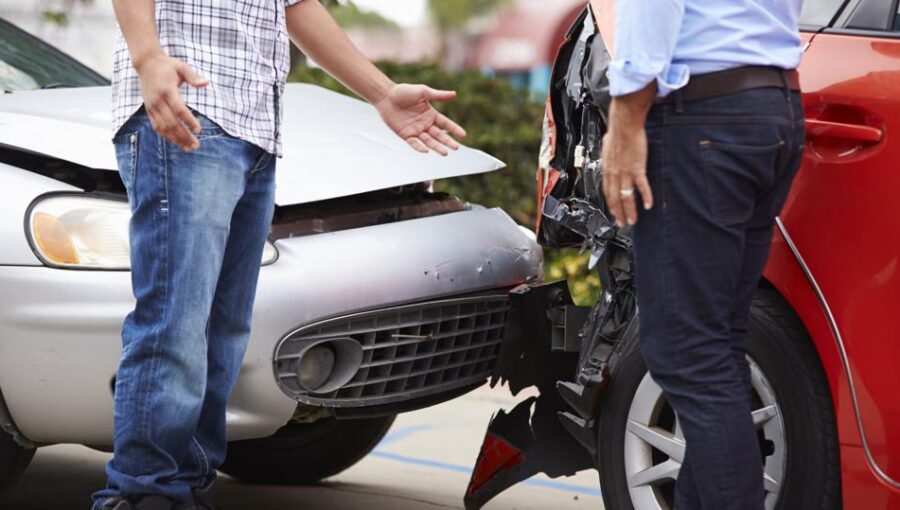
A collision or breakdown far from home puts most drivers into unfamiliar territory quickly. The immediate priorities — ensuring safety, contacting emergency services, filing a police report — are generally understood. What comes next is less clear, particularly when the vehicle is hundreds of kilometres from home and the driver needs to figure out how to get both themselves and their car back.
The logistics of recovering a damaged vehicle across a long distance involve decisions that most people have never made before, under circumstances that are stressful by definition. Understanding the process in advance makes it manageable when it actually happens.
The First Decision: Repair There or Transport Home
When a vehicle is damaged but repairable, the first practical question is whether to have it repaired at the incident location or transported home for repairs. Both options are legitimate, and the right answer depends on the extent of the damage, the vehicle’s driveability, and how far from home the incident occurred.
Repairing locally makes sense when the damage is minor, the vehicle is still driveable, and the repair can be completed quickly enough that it does not disrupt the trip significantly. A minor fender issue or a windshield replacement in a city with a reasonable shop wait time is often easier to handle on the spot than to coordinate transport home.
Transporting home for repairs makes more sense when the damage is significant, when the vehicle is not driveable, when the incident occurred in a remote location with limited repair capacity, or when the owner has an established relationship with a mechanic at home and prefers the vehicle to be worked on there. It also makes sense when the insurance claim process will take time and the owner needs to return home before the vehicle can be released from the repair facility.
When the Vehicle Is Not Driveable
A vehicle that cannot be driven under its own power after an incident requires non-running transport. This is a defined carrier service category, but it is not the same as standard auto transport. Carriers need to know the vehicle’s condition accurately before pickup — whether it rolls freely, whether the steering functions, whether the brakes are intact — so they arrive with the right equipment.
Collision damage introduces variables that a vehicle being transported due to mechanical failure does not always have. A bent frame may prevent the wheels from rolling straight. Deployed airbags leave the cabin in a state that differs from normal. Structural damage may affect where and how the vehicle can be secured to a carrier deck. All of these details should be communicated to the carrier as specifically as possible when arranging the booking.
If the vehicle has been towed from the incident scene to a local shop or impound yard, the carrier will typically pick it up from that location rather than from a roadside. Confirm the pickup address, the facility’s hours, and whether they require advance notice before a carrier can collect the vehicle. Local tow operators and body shops are accustomed to carrier pickups and will generally cooperate with the logistics, but they need to know the carrier is coming. Non-running vehicle shipping after a collision follows the same process as any inoperable vehicle transport, with the added step of coordinating pickup from a third-party facility rather than the owner’s home address.
Working with Your Insurance Company
The insurance claim process runs parallel to the transport logistics and affects both the timeline and the cost. Most standard Canadian auto insurance policies cover the cost of towing and transport as part of a collision or comprehensive claim, but the terms vary significantly between policies and insurers.
Contact your insurer as soon as practical after the incident and ask specifically about transport coverage. The questions to ask are: does the policy cover transport of the damaged vehicle back to the home province, what is the coverage limit for that transport, and does the owner need to use an insurer-preferred carrier or is the choice open?
Some insurers have preferred tow and transport vendors that they work with directly, and using those vendors simplifies the reimbursement process because billing flows through the claim file. Others allow the owner to arrange their own transport and submit for reimbursement up to the policy limit. Knowing which situation applies to your policy before you need to act on it reduces the number of decisions that need to be made under pressure at the worst possible moment.
If the vehicle is declared a total loss, the insurance company takes ownership of the salvage and arranges removal. The owner in that case is recovering themselves, not the vehicle, and the transport question shifts to getting home by other means. If there is any ambiguity about whether the vehicle will be declared a total loss, wait for the insurer’s assessment before arranging independent transport — coordinating with a carrier for a vehicle the insurance company then takes ownership of creates complications that are easier to avoid.
Coordinating Transport Across Provincial Lines
A cross-provincial vehicle recovery adds a layer of coordination that a within-province incident does not. The carrier is picking up in one province and delivering in another, which is standard domestic transport but requires both the carrier’s operating authority to cover the route and clear communication about pickup and delivery addresses on both ends.
If the vehicle is at a repair facility or impound yard in the incident province, that facility becomes the effective origin for the transport booking. The owner, who may already be back home by the time the carrier is arranged, needs to authorize the release of the vehicle to the carrier and ensure the facility has the carrier’s contact information and expected pickup window.
Storage fees at body shops and impound facilities accumulate while the vehicle sits waiting for transport. Getting the carrier booking confirmed quickly after the incident reduces the number of days the vehicle spends accruing fees at the pickup location. Car shipping across Canada on most major corridors can be arranged within a few days of contact, which means the main variable in minimizing storage fees is how quickly the owner initiates the transport booking after the insurance situation is clarified.
Remote Incidents and Limited Local Capacity
Incidents that occur in rural or remote parts of Canada introduce additional complexity. A collision on a highway in northern Ontario or a breakdown on a remote stretch of the Trans-Canada in New Brunswick may be far from any carrier depot or transport hub.
In these situations, the vehicle typically needs to be towed to the nearest town or city with adequate facilities before a long-distance carrier can access it. That initial tow is separate from the cross-country transport that follows, and the two steps need to be coordinated in sequence. Confirm that the interim facility is willing to hold the vehicle until the long-distance carrier can arrange pickup, and factor realistic carrier availability in less-populated regions into expectations about the recovery timeline.
Managing the Recovery Process from a Distance
A damaged vehicle far from home is a disruptive experience. What makes the recovery process more manageable is having the key information accessible without needing to research it under pressure. Knowing your insurer’s claims line, understanding roughly what your policy covers for transport, and knowing that professional carriers handle damaged vehicle recovery as a standard service removes uncertainty from a situation that already has enough of it.
The vehicle can be recovered. The logistics are established and carriers handle exactly this scenario regularly. The process takes time and coordination, but it is not complicated once the immediate situation is stabilized and the right sequence of steps is initiated. Auto transport for damaged and non-running vehicles is available across Canadian routes, and the same carriers who handle routine relocations handle post-incident recovery with the same professional process.
Frequently Asked QuestionsHow long does it typically take to arrange transport for a damaged vehicle after an incident?
With the insurance situation clarified and a pickup address confirmed, most carriers can arrange collection within three to five business days on established Canadian routes. Remote pickup locations may take longer depending on local carrier availability.
Does my insurance cover the full cost of transporting a damaged vehicle home?
Coverage varies by policy. Most collision and comprehensive policies include some transport coverage, but limits apply and the terms differ between insurers. Confirm the specific coverage and limit with your insurer directly after the incident rather than assuming the full cost will be covered.
Can I retrieve personal belongings from the vehicle before it is transported?
Yes, and it is advisable to do so before the vehicle is picked up by the carrier. If the vehicle is at a repair facility or impound yard and you are not able to attend in person, contact the facility and arrange for a trusted person to retrieve your belongings. Carriers are not responsible for personal items left in the vehicle during transport.